Unlocking the Benefits of Wooden Swords for New Martial Artists
Entering the world of martial arts can be both exciting and daunting for beginners. The journey towards mastering swordsmanship is filled with valuable lessons, physical challenges, and cultural enrichment. However, as with any skill, the right tools can make a significant difference in the learning process. Among these tools, wooden practice swords hold a special significance for newcomers, offering a unique blend of safety and authenticity. In this article, we will explore the reasons why wooden swords are not just useful but essential for those just starting their martial arts journey.
Wooden practice swords, often referred to as bokken in Japanese martial arts, serve as a bridge between the novice and the art itself. These swords allow beginners to practice techniques without the fear of injury that comes with using metal swords. The use of wooden swords also helps in developing proper form and technique, laying a solid foundation for further training. In addition, the cultural history associated with these wooden swords adds a layer of depth to the training experience, making it more than just physical practice but also a connection to the rich traditions of martial arts. bamboo practice katana
As we delve deeper into the benefits of wooden practice swords, it becomes clear that they provide more than just physical training tools. They represent a philosophy of respect, discipline, and artistry that is integral to martial arts. The importance of these swords transcends their simplicity; they are a way for beginners to immerse themselves in the practice, enhancing their skills while fostering a deeper appreciation for the martial arts' heritage and techniques. Let’s explore the various dimensions of why wooden practice swords are pivotal for those starting their journey in martial arts.
Understanding the Role of Wooden Swords in Martial Arts Training
Wooden swords play a crucial role in the training regimen of martial artists, particularly for those who are just beginning. The primary advantage of using these swords is their safety aspect. As beginners are often unsure of their movements and techniques, wooden swords reduce the risk of injury to themselves and their training partners. This allows practitioners to focus on developing their skills without the constant worry of causing harm. Additionally, wooden swords are less likely to cause damage to surroundings, making them suitable for various training environments.
Moreover, wooden practice swords provide a level of realism that is vital for effective training. The weight and balance of a wooden sword closely mimic that of a metal sword, allowing beginners to develop a feel for the weapon. This is particularly important for practitioners of disciplines such as Kendo and Kenjutsu, where the intricacies of handling a sword are fundamental to mastering techniques. By using wooden swords, beginners learn to control their movements and understand the dynamics of swordplay, which is essential for their progression.
Another important aspect to consider is the affordability of wooden practice swords. Compared to traditional metal swords, wooden swords are significantly less expensive, making them accessible for beginners who may not want to invest heavily at the outset. This affordability allows newcomers to acquire a quality practice sword without financial strain, which can encourage more people to pursue martial arts. Furthermore, wooden swords are durable and can withstand the rigors of training, ensuring that they remain a reliable tool throughout a beginner's martial arts journey.
The Cultural Significance of Wooden Swords
The use of wooden swords is deeply rooted in the history of martial arts, particularly in Japanese culture. The practice of using a bokken dates back centuries and is tied to the traditions of samurai training. Learning with a wooden sword allows beginners to connect with this rich history and appreciate the cultural significance of their practice. As they wield these swords, they are not just learning techniques but also honoring the legacy of those who came before them.
Incorporating the cultural context of wooden swords into training can enhance a beginner's experience, fostering a deeper respect for the art. Understanding the philosophy behind swordsmanship, including concepts such as honor and discipline, can enrich the training process. This cultural immersion can motivate beginners to engage more fully in their practice, leading to greater dedication and improvement over time.
Building Fundamental Skills with Wooden Swords
One of the primary benefits of using wooden practice swords is the opportunity to build fundamental skills essential for martial arts. Beginners can focus on learning basic stances, strikes, and movements without the added pressure of advanced techniques that come with metal swords. This focused approach allows for the gradual development of muscle memory, which is crucial when transitioning to more advanced training.
Moreover, wooden swords help in developing proper form and technique. Beginners can learn to execute their movements slowly and deliberately, ensuring that they understand the mechanics of each technique. This foundational training is vital as it sets the stage for future progress. The simplicity of wooden swords allows practitioners to concentrate on the nuances of their movements, making it easier to identify areas needing improvement.
Safety Considerations When Practicing with Swords
Safety is paramount in martial arts training, especially for beginners who may not yet be familiar with the intricacies of sword handling. Wooden swords significantly reduce the risk of injury, making them an ideal choice for novice practitioners. Since these swords are made from wood, they are less likely to cause serious harm during practice. This safety factor allows beginners to train more confidently and freely, facilitating a more effective learning environment.
Additionally, practicing with wooden swords encourages a culture of respect and caution among martial artists. Beginners learn the importance of handling weapons responsibly, which is a critical lesson that extends beyond the dojo. This emphasis on safety helps cultivate a mindset that prioritizes the well-being of oneself and others, fostering camaraderie and mutual respect among practitioners.
Choosing the Right Wooden Sword for Beginners
When selecting a wooden sword, beginners should consider several factors to ensure they choose the right one for their needs. The size and weight of the sword should be appropriate for the individual's height and strength. A sword that is too heavy or too long can hinder a beginner's ability to practice effectively. It's essential to find a balance that allows for proper technique while still providing a challenge.
Additionally, the quality of the wood used in the sword is crucial. High-quality wood not only enhances durability but also improves the overall feel of the sword. Beginners should seek out trusted manufacturers or brands known for producing quality wooden swords to ensure they are making a worthwhile investment. This attention to detail can make a significant difference in the training experience.
Maintaining Wooden Practice Swords
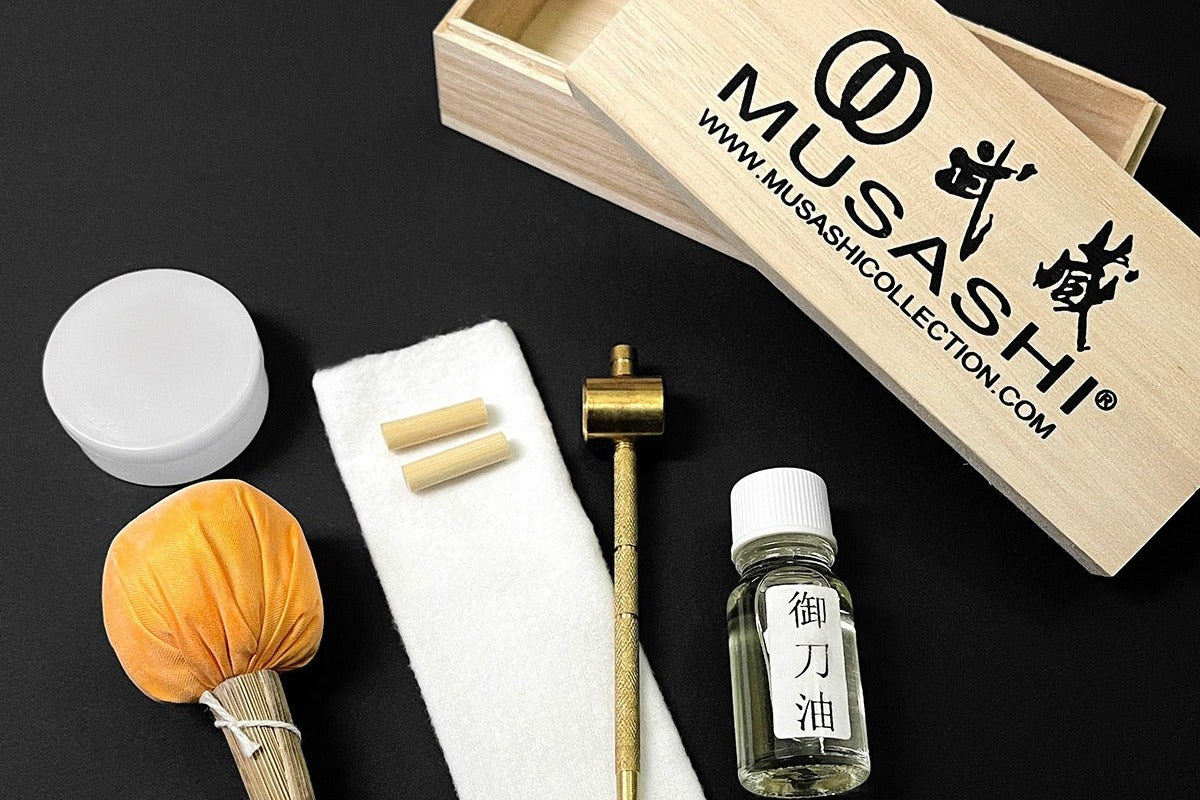
Proper maintenance of wooden swords is essential for longevity and performance. Regular cleaning and inspection of the sword can prevent wear and ensure it remains in good condition. Beginners should be taught how to care for their swords, including how to clean the blade and check for any signs of damage. This practice not only prolongs the life of the sword but also instills a sense of responsibility in the practitioner.
Furthermore, understanding the maintenance of wooden swords can enhance a beginner's appreciation for the tool they are using. When practitioners take care of their swords, they develop a deeper connection to their practice, recognizing the significance of their training equipment. This relationship can encourage a more profound commitment to learning martial arts. Musashi Swords
Benefits of Using Wooden Swords for Sparring
As beginners progress in their training, sparring becomes an integral part of their development. Wooden swords are especially beneficial during sparring sessions, as they allow practitioners to engage in realistic combat scenarios without the risk of severe injury. This practice helps beginners build confidence in their abilities while also learning how to apply techniques in a dynamic environment.
Additionally, sparring with wooden swords encourages practitioners to develop their strategic thinking and adaptability. As they face different opponents, beginners learn to read their movements, anticipate attacks, and adjust their strategies accordingly. This level of engagement is crucial for developing both mental and physical skills, making wooden swords an invaluable asset during sparring.
Finding a Training Partner
For beginners, finding a training partner is essential to enhance their learning experience. Practicing with a partner allows for the application of techniques and the opportunity to receive immediate feedback. When training with wooden swords, partners can safely engage in drills and sparring, further solidifying their skills. It's important for both partners to communicate openly about their goals and comfort levels, ensuring a positive training environment.
Moreover, having a training partner fosters a sense of community and support within the martial arts discipline. Beginners can share their experiences, challenges, and successes, creating a network of encouragement that can be incredibly motivating. This camaraderie can contribute significantly to a beginner's journey, making the learning process more enjoyable and fulfilling. Musashi Swords Collection
Table of Wooden Swords Features
| Feature | Description | Benefits |
|---|---|---|
| Material | Typically made from high-quality wood like oak or pine. | Durable and lightweight, ensuring ease of handling. |
| Weight | Varies based on size, typically lighter than metal swords. | Allows beginners to practice techniques without excessive strain. |
| Length | Available in various lengths to accommodate different heights. | Promotes proper form and technique for individual practitioners. |
| Design | Simple design, often resembling traditional swords. | Facilitates realistic training while minimizing injury risk. |
This table highlights key features of wooden practice swords, emphasizing their materials, weight, length, and design. Understanding these aspects can help beginners choose the right sword for their training needs, ensuring a safer and more effective learning experience.
Pros and Cons
- Pros:
- Wooden practice swords offer enhanced safety for beginners, minimizing the risk of injury during training.
- They provide an affordable option for those just starting, allowing practitioners to invest in their training without breaking the bank.
- Wooden swords help develop fundamental skills, ensuring that beginners establish a solid foundation for future learning.
- Training with wooden swords fosters a deeper appreciation for the cultural significance of martial arts.
- Cons:
- Wooden swords may not provide the same level of realism as metal swords during advanced training.
- They can be less durable than metal swords, requiring more frequent maintenance and care.
- Some beginners may find the weight and balance of wooden swords different from what they expect, which can affect initial training.
In weighing the pros and cons of wooden practice swords, it becomes clear that while they offer significant benefits for beginners, there are also considerations to keep in mind. The advantages of safety, affordability, and skill development greatly outweigh the drawbacks, particularly for those just starting their martial arts journey. Understanding both sides allows practitioners to make informed decisions about their training tools.
Frequently Asked Questions
- What is the best type of wood for practice swords?
The best types of wood for practice swords are typically hardwoods like oak or hickory, known for their durability and weight. These materials provide a good balance and feel, making them suitable for training. Beginners should look for swords made from quality wood to ensure they can withstand regular practice while maintaining performance.
- How do I choose the right size wooden sword?
Choosing the right size wooden sword involves considering your height and strength. A general guideline is to select a sword that reaches your shoulder when held vertically. It’s crucial to find a size that allows you to practice techniques comfortably while also challenging your skills as you progress in training.
- Can I use wooden swords for sparring?
Yes, wooden swords are excellent for sparring due to their safety features. They allow practitioners to engage in realistic combat scenarios without the risk of severe injuries. However, it’s essential to practice sparring under the guidance of an experienced instructor to ensure safety and proper technique.
Conclusion
In conclusion, wooden practice swords are an essential tool for beginners in martial arts. They provide a combination of safety, affordability, and cultural significance, making them invaluable for those starting their journey. By allowing practitioners to focus on developing fundamental skills while minimizing the risk of injury, wooden swords create an ideal training environment. Additionally, the historical context associated with these swords fosters a deeper appreciation for the art of swordsmanship, enriching the overall experience. As you embark on your martial arts journey, embracing the use of wooden swords will undoubtedly set the stage for growth, learning, and a profound connection to the rich traditions of martial arts.


No comments:
Post a Comment